The Aotearoa Chronicles: How a New Zealand Storybook Becomes a Meaningful Family Keepsake
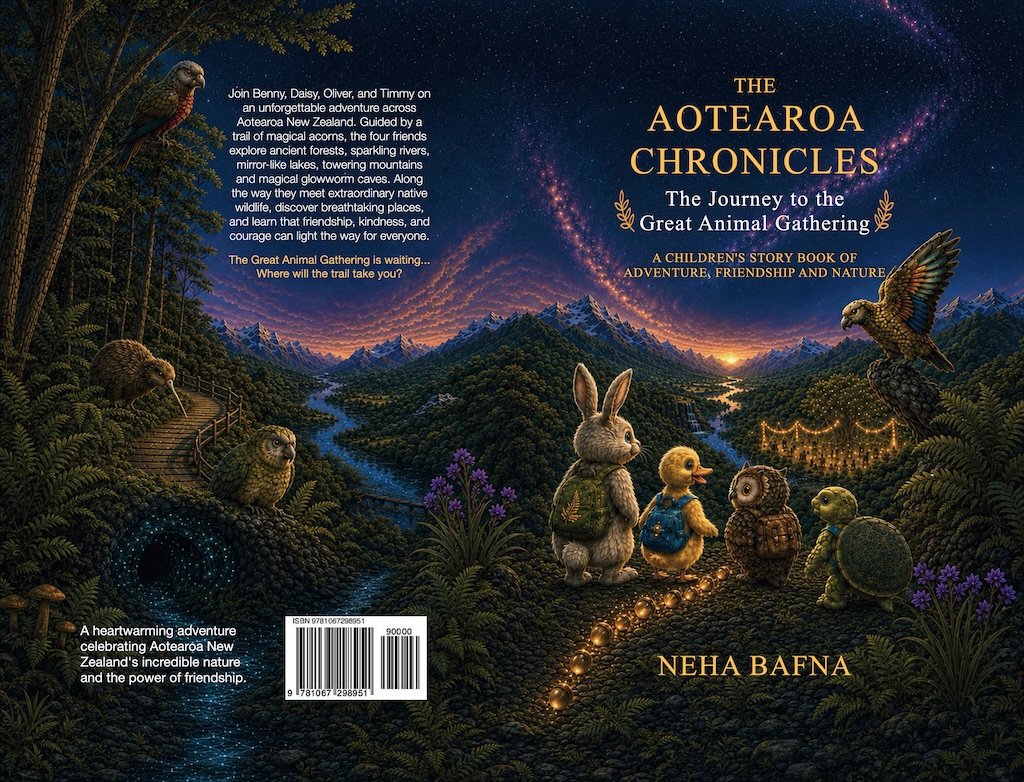
A keepsake that a child truly values is often an item they can use. A present may attract attention when it is unwrapped, while a storybook offers another opportunity for enjoyment with every reading. Readers begin to recognise the characters, certain pages earn repeat visits, and the reading experience slowly becomes associated with whoever originally shared the story.
For families considering The Aotearoa Chronicles, that connection offers a useful starting point. Rather than picking a storybook only because of its New Zealand connection, think about the reading experiences it could support. An animal adventure inspired by Aotearoa can become part of an evening routine, a keepsake recalling a family trip or an engaging first connection with a destination the child has never experienced.
The right choice ultimately depends on the child receiving it. Their interests, the way they enjoy stories and the opportunities for reading together matter more than a broad claim that any single title suits everyone.
Start with what the child enjoys before thinking about the destination
An association with a particular place can add personal meaning to a present, yet that connection alone seldom defines the entire experience. Young readers generally revisit stories because something in them captures their interest. That might be an animal character, a journey towards an intriguing destination or the enjoyment of following the story to see what happens.
In The Aotearoa Chronicles, four animal companions set off on a journey to attend a gathering. This friendship-centred adventure offers a helpful basis for comparison for adults choosing between different kinds of presents. A child who takes pleasure in imagining animals communicating and sharing adventures might have different preferences from a reader drawn to factual stories about machines or outer space.
Think about the books the child already chooses without prompting. Are they particularly interested in studying pictures, ask questions about characters or like guessing what will happen next? These habits can help identify a suitable reading experience without reducing the decision to a fixed age label.
The association with New Zealand can then bring additional meaning. It might reflect family roots, a recent visit or curiosity about a distant place. The most suitable choice brings together this personal significance and the child’s existing interests.
Travelling towards a shared destination builds anticipation
An adventure involving travel creates a recognisable storyline: characters set out, move through an unfamiliar world and work towards somewhere they want to reach. This storytelling pattern makes it easier for adults to encourage involvement without needing to stop the narrative after each sentence.
Within The Aotearoa Chronicles, the four companions travel towards the Great Animal Gathering, giving readers something to anticipate. Someone reading aloud may pause when the story naturally allows and ask the young reader how they picture the upcoming gathering. Even an inaccurate guess can make the shared discussion enjoyable and meaningful.
Making predictions also allows young readers to reconsider their ideas. A child might start with an initial guess, spot something new and imagine a different outcome. This can turn listening into an active experience while still allowing them to enjoy the story as it unfolds.
Even so, involvement should always be encouraged rather than required. Certain children enjoy listening without interruption when hearing a story for the first time and share their thoughts after reaching the end. Other children prefer offering their thoughts as the story progresses. Following their response helps the book feel welcoming rather than like a task.
Create a relaxed atmosphere for the first reading
The first encounter with a book does not need to cover every page. A child could remain interested in looking at the cover for several minutes, ask about the title or focus their attention on one particular picture. Such moments help the child begin developing a connection with the story.
Choose a moment when there is enough space for that curiosity. Beginning a story just before the family needs to go out can make it harder to accommodate the child’s natural rhythm. A relaxed afternoon or an unhurried evening can allow the experience to develop more naturally.
Start by letting the child notice what interests them. Instead of explaining everything in advance, leave room for discovery. Begin the story and pay attention to how the child responds, which might include asking questions, laughing, listening carefully or wanting to revisit a picture.
When the child begins losing interest, it is perfectly reasonable to pause at an appropriate moment. Children can develop familiarity with a story across a number of brief readings. Reading every page immediately is not as important as encouraging a positive experience worth repeating.
Use an imagined adventure to encourage observations about the real world
A New Zealand-inspired adventure may spark interest in the place where it is set, but fiction and factual explanation serve different purposes. Conversations between animal companions exist within the world of imagination. The appearance of those animals should not be treated as evidence that they are native to the setting.
Recognising this difference offers adults an opportunity to build on the story. After enjoying the adventure, a family might explore a separate question about birds, forests or waterways through suitable information-based resources. The fictional journey encourages curiosity, and separate learning provides the supporting information.
Adults do not need to transform each scene into a teaching opportunity. Sometimes young readers are content to enjoy following the characters. At different moments, a spontaneous enquiry might encourage conversation about how a fictional setting relates to the wider world.
Aotearoa carries cultural importance that goes further than its appearance in a fictional story. Families may explore that cultural meaning with appropriate sensitivity, choosing reliable material when children ask further questions. An imaginative adventure can begin curiosity without being expected to explain an entire country.
Give the book a place in the family’s own story
A keepsake becomes more personal when there is a reason behind its selection. The explanation could be quite simple: the person choosing it knew how much the child enjoys animals, wanted to mark a shared holiday or wanted to share a connection with a meaningful family destination.
A short handwritten message inside the book can preserve that connection. It may refer to an outing they enjoyed together, the occasion being celebrated or the hope that storybooks will bring the young reader many enjoyable journeys. Personal recollections often carry greater significance than a vague message about selecting a thoughtful gift.
If the book is presented to a child after visiting New Zealand, reading may create opportunities to recall experiences from the trip. The child may recall walking along a wooded trail or quietly observing birds. Such connections arise from the memories the family created, rather than needing to match the fictional events exactly.
A child who has never visited can form a different connection. The book may represent someone thinking carefully about their interests and picked a book with the intention of sharing it.
Consider future readings when selecting a present
Gift selection often centres on the moment of opening. For storybooks, considering future reading sessions can be just as valuable. Who might read with the child? Where might the storybook have a permanent place? Might the book naturally fit into a routine the family already follows?
Households considering the best New Zealand gifts for kids can use these everyday questions to identify a more appropriate gift. A storybook is likely to provide more chances for reading when the recipient enjoys reading or has someone willing to share it regularly. Its value grows through that participation.
Different readings can have different rhythms. The first may follow the adventure closely. A subsequent session may centre on one of the child’s preferred companions or an illustration that escaped their attention the first time. On another occasion, the young reader may enjoy recounting part of the story in their own way.
Adults do not need to introduce a fresh activity whenever a child requests the same story. Familiarity itself can be enjoyable. Often, sharing another attentive reading of the familiar book is all that is needed.
Explore friendship through questions that leave room for interpretation
An adventure involving several companions can prompt conversations about sharing a journey, paying attention to companions and moving towards a common destination. These subjects are especially useful when a child makes the connection independently.
Rather than looking for only one correct message, try a question tied to what the child has noticed. Which companion would they like beside them on a journey? What might make exploring with friends enjoyable? What problems might arise if the companions have different preferences?
These open-ended enquiries give young readers an opportunity to share personal experiences. One may think about sharing decisions with a sibling. Another child may think back to helping a friend become involved in something. Adults can allow the conversation to continue along those familiar experiences without suggesting that the fictional adventure contains exactly the same events.
Avoid supplying every answer before the child has time to respond. A moment of quiet thinking might produce a surprising comment. If they prefer to return to the adventure, that is useful guidance too. Reading can remain rewarding even when not every theme becomes a conversation.
Choose a souvenir for its future use
When comparing the best New Zealand souvenirs for kids, consider what each object invites a child to do after returning home. Certain mementoes are intended primarily as decorative objects. Different keepsakes can encourage play, everyday use or activities enjoyed together. A storybook encourages reading together and talking about the adventure.
This makes The Aotearoa Chronicles an option to think about for young readers who enjoy picture-led stories about animals. Its connection with Aotearoa can provide a reminder of place, and the adventure gives readers a reason to revisit the book long after receiving it.
Practical suitability still matters. When choosing a storybook, examine its format and any sample pages that are available. Think about whether the text length, illustrations and general presentation suit the child. Such features deserve careful consideration instead of being taken for granted.
A souvenir can hold personal significance without reflecting an entire destination. Sometimes one clear connection is enough: a natural setting that inspired the child’s curiosity, a family memory or an interest they want to explore further.
Understand “best” in terms of the individual reader
People searching for the best children’s books in New Zealand often have different needs and expectations. A parent might be looking for a book that encourages independent reading. Another may be looking for an illustrated story to read aloud. Others might value a story associated with an important family event.
These are separate needs, so they deserve separate judgements. The Aotearoa Chronicles can be considered through its animal companions, shared journey and setting inspiration. Such elements give readers a more practical way to assess suitability rather than assuming that a popular search term establishes an official position.
Book descriptions and any available excerpts can help adults judge how appealing the narrative might be to the child. If the decision depends on age suitability, edition information or the publication format, confirm those details before selecting the book.
It is equally useful to recognise that adults and children may value different things. An adult might be especially drawn to the New Zealand association, whereas Best New Zealand gifts for kids – The Aotearoa Chronicles the child may be interested mainly in the animal characters. A successful choice can accommodate both without expecting them to value exactly the same thing.
Extend the reading experience through uncomplicated activities
A storybook may continue to have a place in everyday family routines without complicated activities. Once the story ends, the young reader could illustrate an imagined gathering, imagine another companion or explain what they would pack for a journey of their own imagination.
These ideas are particularly suitable when they connect with the young reader’s interests. For children who like making pictures, having drawing paper available may be helpful. If they prefer telling stories, listen while they invent a new scene. There is no need to correct every detail or match the book’s events exactly.
A simple trip outdoors might create another association with the story. A woodland walkway or a peaceful pond may bring back the enjoyment of discovering places in a fictional world. There is no need for the connection to become overly serious.
Not every shared reading experience needs an additional activity. Occasionally, finishing the story and spending a calm moment together can be all that is needed. The aim is to leave room for the story to matter in the child’s own way.
Conclusion
The Aotearoa Chronicles offers a starting point for families seeking an animal adventure with a New Zealand connection. Its value as a thoughtful present or lasting keepsake is shaped by the young reader’s preferences and the moments families create while sharing the story. Choose with the child in mind, allow enough time for a comfortable initial reading and let repeated readings gradually build a sense of familiarity. The right story can become associated with both an imaginative journey and the special experience of sharing it.